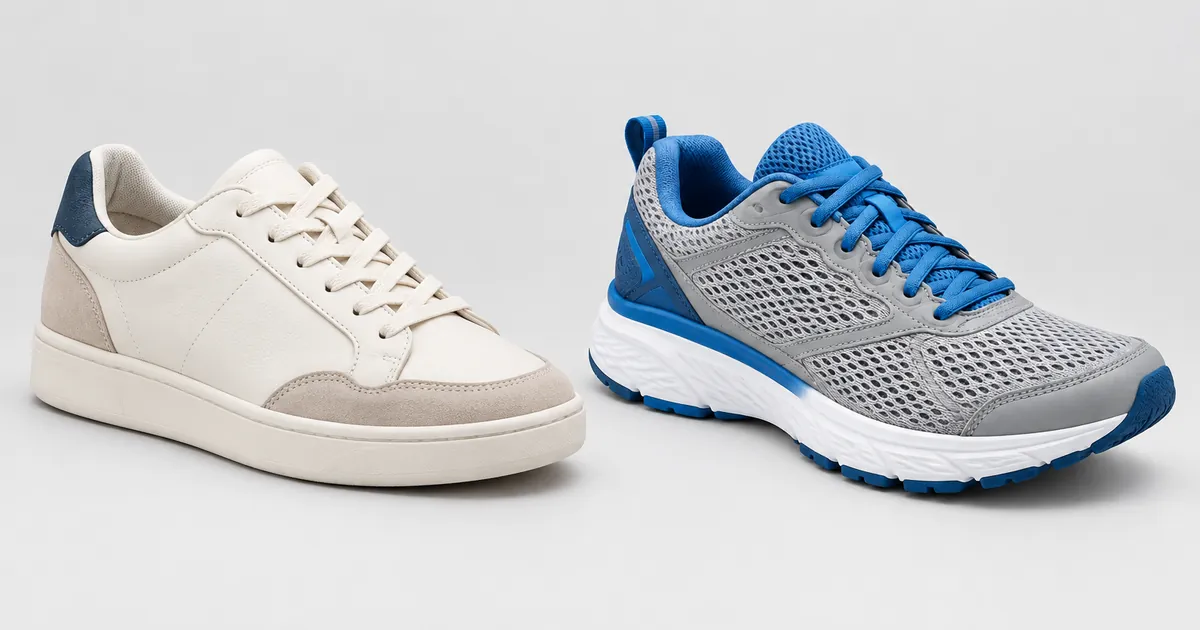
A good pair of shoes can look almost new for years with fifteen minutes of care a month — or look ruined in a season if you clean it wrong. The difference is knowing what material you are holding and matching the method to it. Here is the complete routine for each.
First: Know Your Material
Check the product page or the tag inside the shoe. The four most common uppers each need different treatment:
- Smooth leather — wipeable, conditionable, the most forgiving
- Canvas and linen — machine-washable in some cases, but fragile when wet
- Suede and nubuck — never fully wet; brush-clean only
- Mesh and knit — hand-wash gently; air-dry completely
Smooth Leather
Routine cleaning
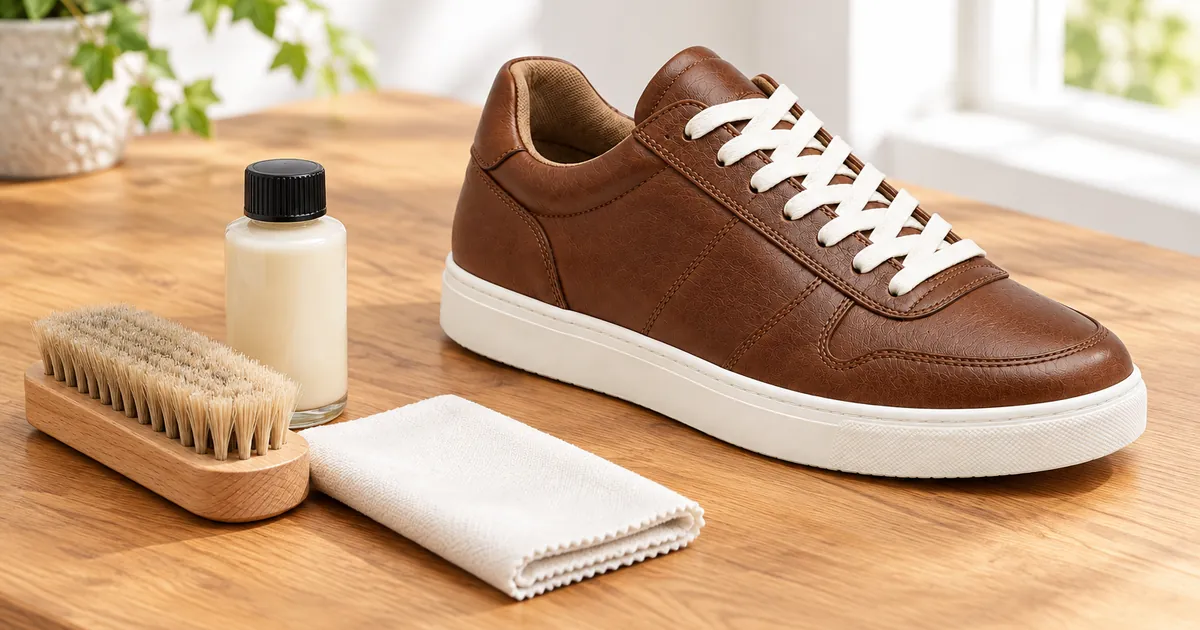
Wipe the whole shoe with a barely damp cloth every week or two to remove dust and road grime. Once a month, apply a small amount of leather conditioner with a soft cloth in circular motions, then buff. Conditioner keeps leather from drying out and cracking — the number one killer of leather shoes.
Stains
For scuffs, rub gently with a clean finger or a leather-safe cream polish matched to the color. For salt stains (white rings in winter), mix one part white vinegar with two parts water, dab lightly, then condition afterward.
Our leather shoes collection includes care-friendly smooth leathers that respond well to this routine.
Canvas and Linen
Routine cleaning
Remove loose dirt with a dry soft brush. For the rest, mix a drop of mild dish soap into warm water, dip an old toothbrush, and scrub the fabric in small circles. Blot with a damp cloth to remove soap. Never soak canvas shoes — the glue holding the sole softens and the shoe can delaminate.
Deep cleaning
If the label allows machine washing: remove laces and insoles, put the shoes in a mesh laundry bag with towels for balance, wash cold on gentle, and always air-dry. Heat from a dryer warps canvas and melts adhesives.
Canvas pairs like the Spring & Summer Canvas Shoes respond well to this method.
Suede and Nubuck
Suede is the one material where water is the enemy. Keep a suede brush and a suede eraser on hand:
- Brush dry dirt off with the rubber side of a suede brush, always in one direction.
- Rub stubborn marks gently with a suede eraser.
- For flattened nap, raise it with short strokes of the brush or a brief pass of steam from a kettle held at a distance.
If suede gets soaked, blot — never rub — with a dry cloth, stuff the shoes with paper, and let them dry slowly away from heat. Brush the nap back up once dry. A silicone-free suede protector spray applied monthly prevents most stains before they happen.
Mesh and Knit Athletic Shoes
Routine cleaning
Knock the shoes together outdoors to dislodge grit. Pull out the laces and insoles and wash those separately with soap and water. Wipe the mesh with a damp cloth; for deeper cleaning, use the same soft toothbrush and mild soap method as canvas, working gently so the knit does not pill.
Odor control
Rotate between two pairs if you wear athletic shoes daily — 24 hours of full air-drying stops most odor bacteria. Sprinkle baking soda inside overnight, shake out in the morning, and never store damp shoes in a closed gym bag.
Mesh styles like the Couple Breathable Mesh Running Shoes stay fresh much longer with this rotation habit.
Drying: The Step Everyone Gets Wrong
Never put shoes on a radiator, near a fire, or in a hot car. Direct heat shrinks leather, warps soles, and cracks foam midsoles. The right way: remove insoles and laces, stuff the shoes loosely with plain paper (not newspaper — ink transfers), and let them dry at room temperature for a day. A fan blowing room air across them cuts drying time in half.
Storage and Prevention
- Keep shoes away from direct sunlight, which fades colors and dries leather
- Use shoe trees or crumpled paper in leather shoes to hold their shape
- Apply a water-repellent spray to new canvas and suede pairs before first wear
- Wipe mud off the same day — dried mud is ten times harder to remove
When to Replace Instead of Clean
Care extends life, but nothing is immortal. Replace running shoes every 500–800 km (300–500 miles) because compressed midsoles stop absorbing impact long before the upper looks worn. Replace any shoe with a worn-through outsole, a torn upper that lets water in, or a midsole that creases deeply and stays creased. For everything else, the routines above will keep a pair going for years.
Building a rotation of pairs that are easy to care for? Browse all shoes — every product page lists the upper material so you know the care routine before you buy.
A Simple Monthly Care Calendar
Care is easier when it is routine. A schedule that takes under fifteen minutes a month: week one, wipe down every pair you wore that week and let them air overnight; week two, brush suede pairs and re-apply protector spray if needed; week three, condition leather and check soles for embedded stones or wear; week four, wash laces and insoles, deodorize with baking soda overnight, and inspect each pair for early signs of sole separation or midsole creasing.
Keep a small shoe-care kit by the door — brush, cloths, conditioner, protector spray — and the barrier to a five-minute wipe-down disappears. Shoes cared for on schedule rarely need the deep-rescue cleaning that eats an entire evening, and pairs like the Men's Casual Leather Shoes will look sharp for years on that schedule.