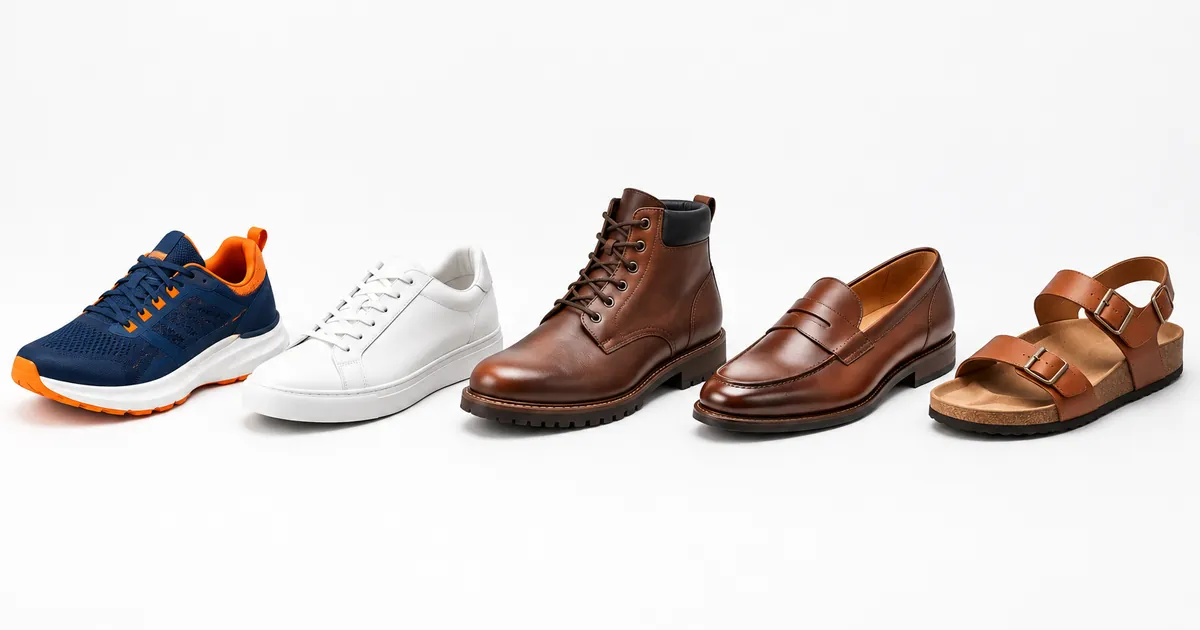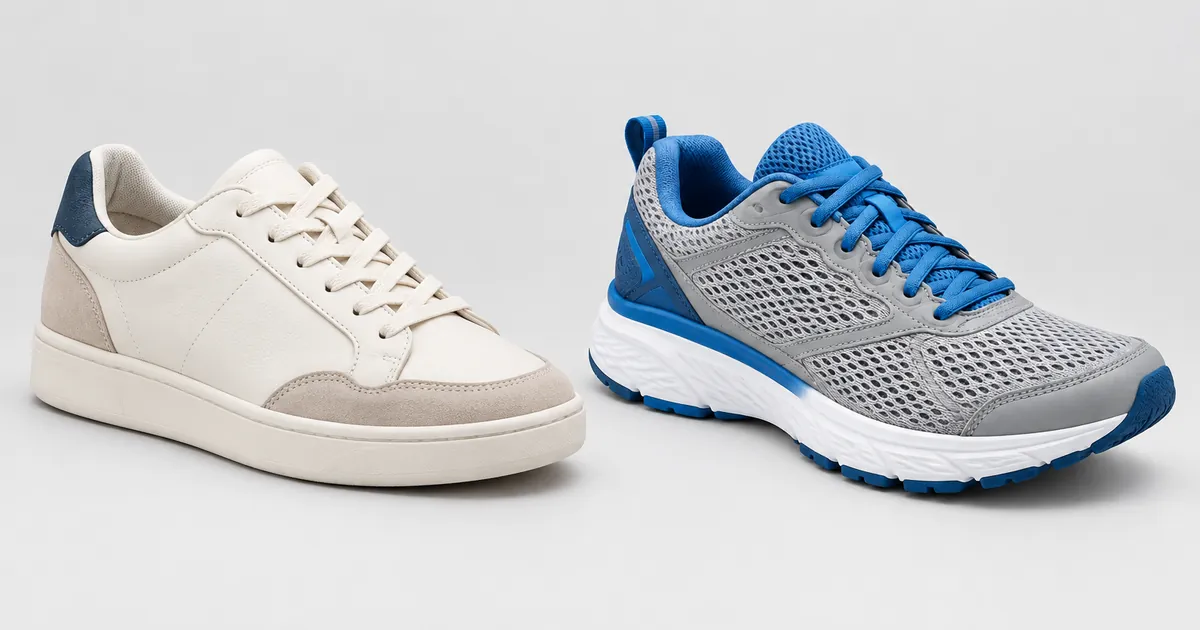
Walk into any shoe section and the line between "sneakers" and "running shoes" looks blurry. Both are athletic-looking, both lace up, both come in dozens of colors. But under the surface they are built for different jobs — and choosing the wrong one is why some people finish a run with aching knees and others ruin a good pair of shoes in a month of walking.
The Core Difference: Direction of Force
Running concentrates force. Every stride puts two to three times your body weight through one foot at a time, mostly through the heel and forefoot in a straight line. Running shoes are engineered for that: thick, shock-absorbing midsoles, a rocker-shaped sole that rolls you forward, and breathable uppers to handle the heat of repeated effort.
Walking and everyday wear spread force out. You move slower, your foot rolls more gradually from heel to toe, and you push off with more flexibility at the ball of the foot. Casual sneakers are built for that pattern: flatter, more flexible soles, wider toe boxes, and sturdier materials that handle curbs, stairs, and office floors.
Cushioning: Plush vs Balanced
Running shoe midsoles use foam designed to compress and rebound under heavy, repeated loads. That is why they feel almost pillowy underfoot. A casual sneaker's sole is usually thinner and firmer — a deliberate choice, because a super-soft sole under slow walking actually feels unstable and wears out unevenly.
If you stand or walk all day, do not assume the plushest shoe wins. A moderately cushioned, stable sole beats a marshmallow-soft running sole for eight hours on tile floors. We cover this in detail in our guide to shoes for standing all day.
Weight and Flexibility
Running shoes
Lightweight on purpose. Extra grams matter over thousands of strides, so running shoes use open-weave mesh uppers and minimal overlays. The sole bends mainly at the forefoot to help you push off.
Sneakers
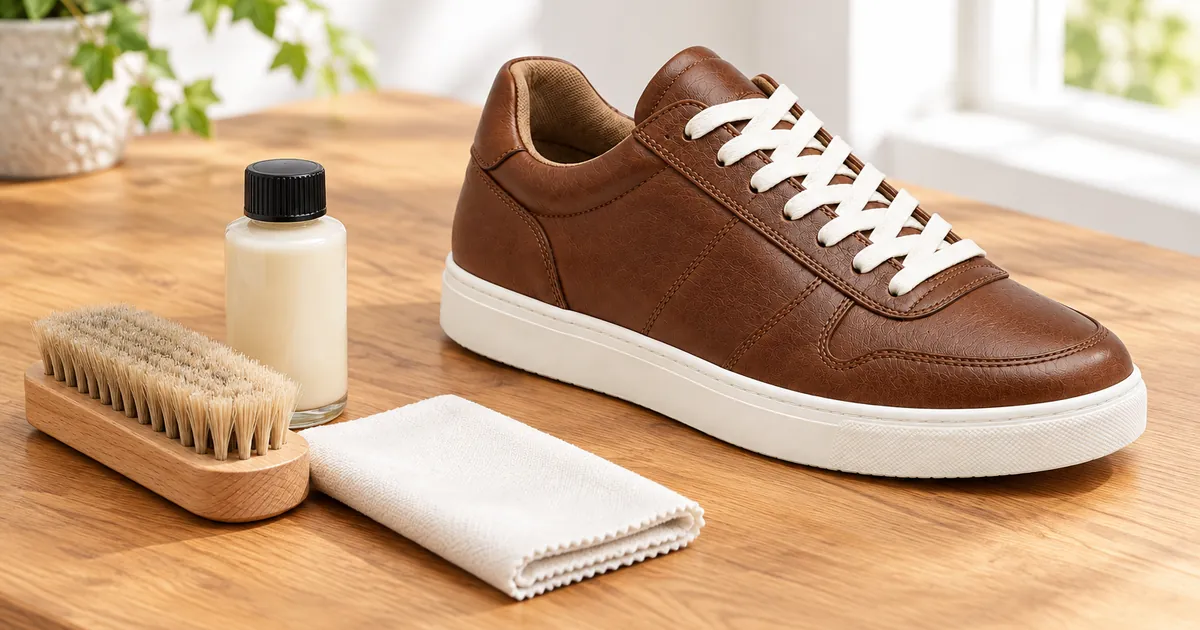
Slightly heavier but tougher. Leather, suede, and canvas uppers resist scuffs and hold their shape through daily wear. Soles are flexible across the whole foot because walking bends the foot differently than running does.
Durability Expectations
Use each shoe for its intended job and both last. Cross them over and both fail early:
- Running in casual sneakers: flat, inflexible soles transfer impact to your knees and shins, and the outsole tread is not designed for repeated hard landings.
- Wearing running shoes as everyday shoes: soft midsole foam compresses on hard pavement, curbs, and stairs, and the delicate mesh upper snags and tears far sooner than canvas or leather.
So Which One Do You Need?
Choose a running shoe if:
- You jog, run, or do treadmill and track sessions more than once a week
- You walk briskly for exercise, especially more than 30 minutes at a time
- You want maximum cushioning for a sport or fitness routine
Our running shoes collection covers breathable mesh trainers with cushioned soles for exactly these uses — including unisex options like the Unisex Badminton Training Shoes for court sports and gym work.
Choose a casual sneaker if:
- Your shoes are for commuting, errands, work, and social plans
- You want one pair that works with jeans, chinos, and shorts
- Comfort for walking matters, but you are not training in them
The casual sneakers collection is built for that everyday role — pairs like the Men's Black & White Walking Sneakers balance comfort with a clean look that survives daily wear.
The Honest Answer for Most People
If you can only own one pair, own a well-cushioned casual sneaker and accept that serious runs deserve dedicated shoes. If you run regularly, own both: a running shoe for the miles, a sneaker for everything else. Your knees will notice the difference on the run, and your sneakers will last twice as long when they are not doubling as gym equipment.
Not sure where a specific pair fits? Every product page on our site lists the intended use — and if you are still unsure, contact our team with a description of your week and we will point you to the right category.
How to Tell Them Apart on a Product Page
You do not need a lab to tell which category a shoe belongs to. Three quick checks work on any product page: look at the sole thickness from the side — running shoes are visibly thicker at the heel; squeeze the sole — running foam dents and springs back, casual soles resist; and check the upper material — large open mesh panels signal running, while leather, suede, or canvas signal casual. Product pages that list "breathable mesh" with a cushioned midsole are running-style shoes; pages listing leather or canvas uppers are casual styles.
Use those checks on our running shoes and casual sneakers pages and you will be able to sort any pair into its proper role in seconds.