Most people buy shoes the same way: they see a pair they like, check the price, and hope the size fits. That approach works until the day it doesn't — the blisters, the sore arches, the pair that lives in the back of the closet. The better method is simpler than it sounds: understand your foot, understand your day, and match the shoe to both.
Start With Your Foot Shape
Flat feet
If your footprint shows nearly the entire sole, you likely have low arches or flat feet. Feet like this tend to roll inward as you walk, so look for shoes with a firmer midsole and structured support along the inner edge. Soft, unsupportive mesh slip-ons usually feel great for a week and then leave your arches aching.
Neutral arches
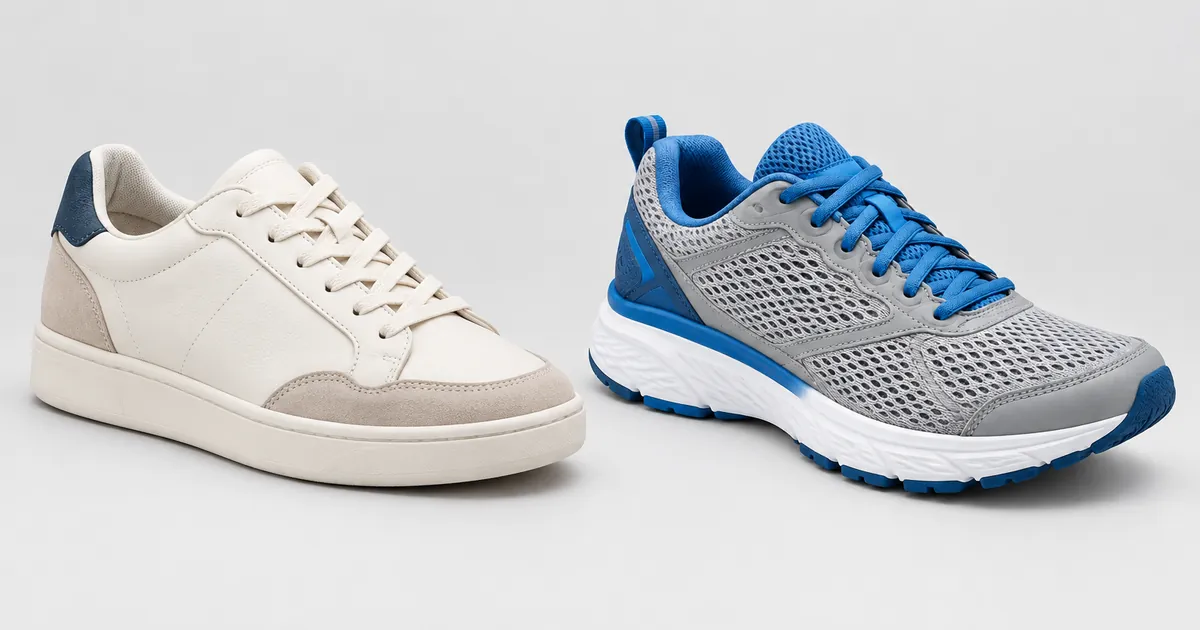
A footprint with a visible curve along the inside means you have a neutral arch — the most common foot type. You can wear most styles comfortably. Focus on cushioning and fit rather than special support features. Our casual sneakers work well for neutral feet.
High arches
If your footprint shows only the heel and ball of your foot with a thin connecting line, your arches are high. High arches put extra pressure on the heel and the outside of the forefoot, so prioritize cushioned midsoles and a slightly roomier fit. Avoid very flat, minimal shoes for long days.
Then Consider Your Width
Length gets all the attention, but width causes more fit complaints than anything else. If your toes feel squeezed sideways even in the correct length, or if the shoe upper bulges over the sole, you need a wider option or a softer, more flexible upper. Mesh and knit uppers stretch and breathe — good for wider feet. Structured leather holds its shape — better for narrow feet that slide around inside soft shoes.
Match the Shoe to the Day
Long days on your feet
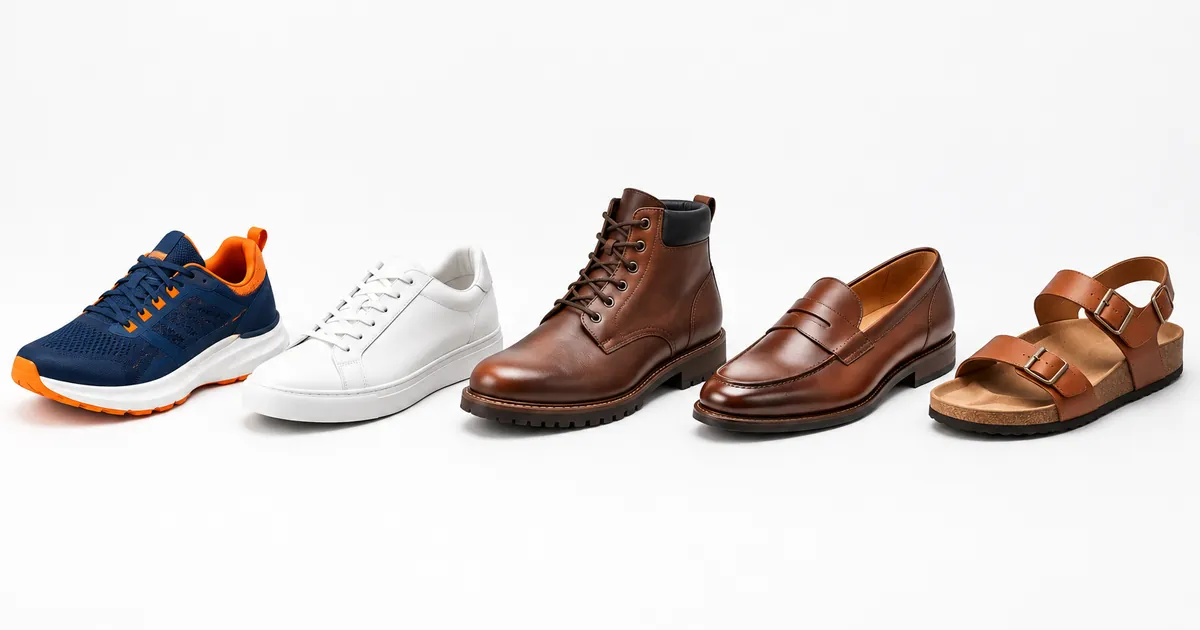
Nurses, teachers, retail workers, warehouse staff: your priority is cushioning that survives eight hours, not looks that survive one outfit. Thick midsoles, a roomy toe box, and breathable uppers matter more than anything else. See our guide to the best shoes for standing all day for the details.
Walking and light exercise
For daily walks, gym sessions, and jogs, a true running shoe or a sporty trainer gives you the cushioning and grip you need. Our running shoes collection focuses on breathable mesh uppers with supportive soles.
Office and smart-casual settings
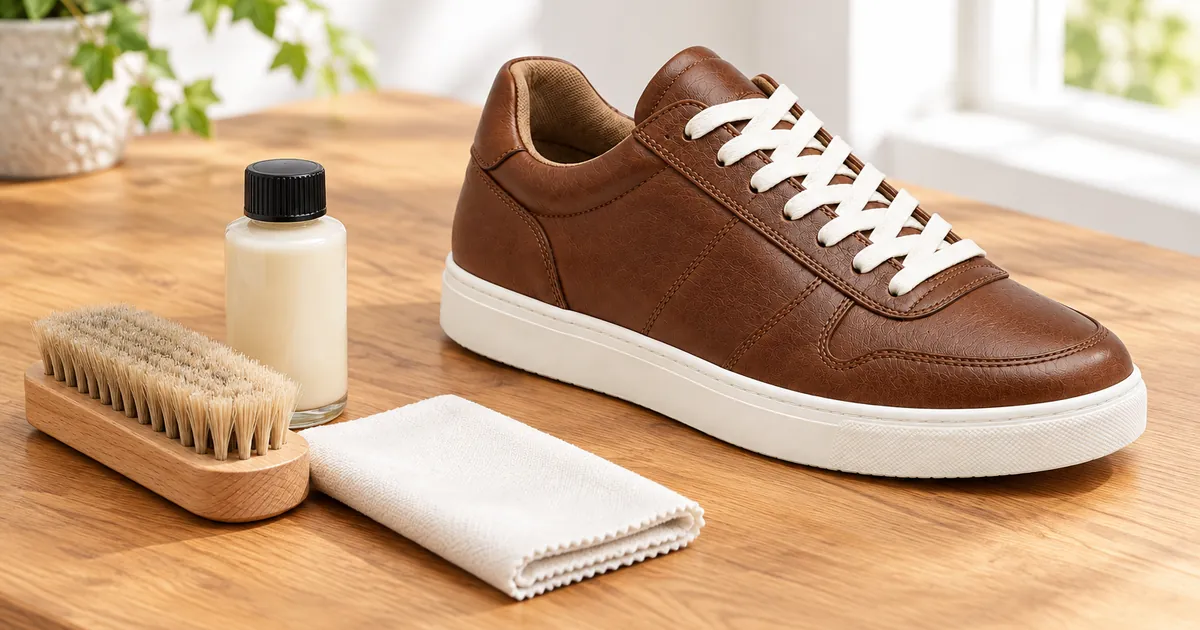
Leather changes the equation. A leather sneaker or casual leather shoe dresses up jeans and works with chinos, and quality leather molds to your foot over time. Browse the leather shoes collection for pairs that handle both the desk and the commute.
Formal occasions
For weddings, meetings, and events, a slip-on dress shoe with a cushioned insole keeps you comfortable through long hours of standing and mingling. Our formal shoes lean toward slip-on designs for exactly that reason.
Three Fit Checks Before You Buy
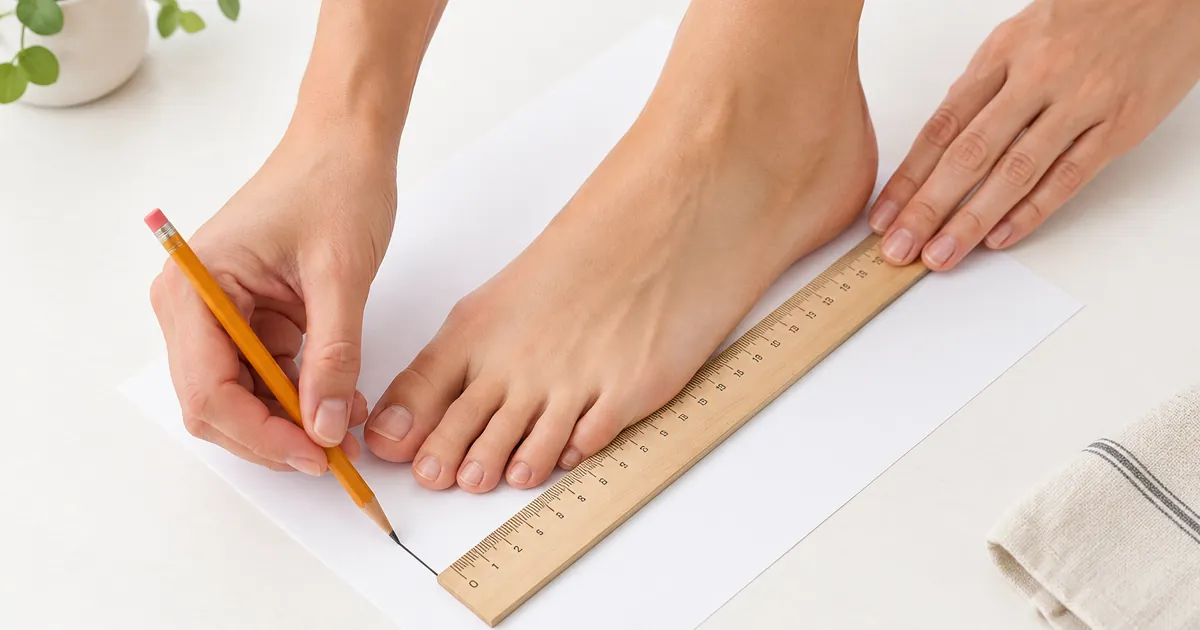
- Toe room: about a thumb's width between your longest toe and the end of the shoe. Not sure of your exact size? Follow our at-home measuring guide first.
- Heel hold: your heel should not lift when you walk. A little initial stiffness is fine; heel slip is not.
- Midday test: feet swell during the day. If you can only try shoes in the morning, go up a half size if you are between sizes.
A Note on Breaking Shoes In
Modern athletic and casual shoes need almost no break-in — if a mesh sneaker hurts on day one, it will hurt on day thirty. Leather is the exception: expect one to two weeks of normal wear for leather shoes to mold to your feet. Wear them around the house first, then for short outings.
The Bottom Line
Choose support for flat feet, cushioning for high arches, and breathable uppers for wide feet. Match the sole and the style to how you actually spend your day, not to a single outfit. And when in doubt between two sizes, take the larger one — a shoe slightly too big can be fixed with a thicker sock, but a shoe too small cannot be fixed at all.
Ready to find your pair? Start with all shoes and filter by the style that matches your routine.
Common Mistakes to Avoid
A few habits cause most bad shoe purchases. Buying for looks first and comfort second is the biggest one — a shoe you love wearing is worth more than a shoe you love photographing. Skipping the width check is second: two people with identical foot lengths can need different widths, and most returns trace back to width, not length. And finally, replacing shoes only when they fall apart is a mistake; midsoles stop supporting long before uppers tear, so judge support by feel, not by appearance.
It also pays to buy for the life you have, not the life you plan. If you say you will run but currently walk, buy the walking shoe first. You can always add a dedicated running pair once the habit sticks — and our full range will still be here when you do.