Ordering shoes online without knowing your true measurements is a coin flip. The fix takes five minutes at home and removes almost all of the guesswork. Here is the complete method — the same one professional fitters use, simplified for your kitchen floor.
What You Need
- Two sheets of paper taped together (or any paper larger than your foot)
- A ruler or tape measure marked in centimeters
- A pencil
- A wall to stand against
Step 1: Measure at the Right Time
Feet swell through the day and can grow a half size by evening. Measure in the late afternoon or after work, when your feet are at their largest. Measuring first thing in the morning is the most common sizing mistake — it under-reads your feet and leads to shoes that feel tight by lunchtime.
Step 2: Trace Your Foot
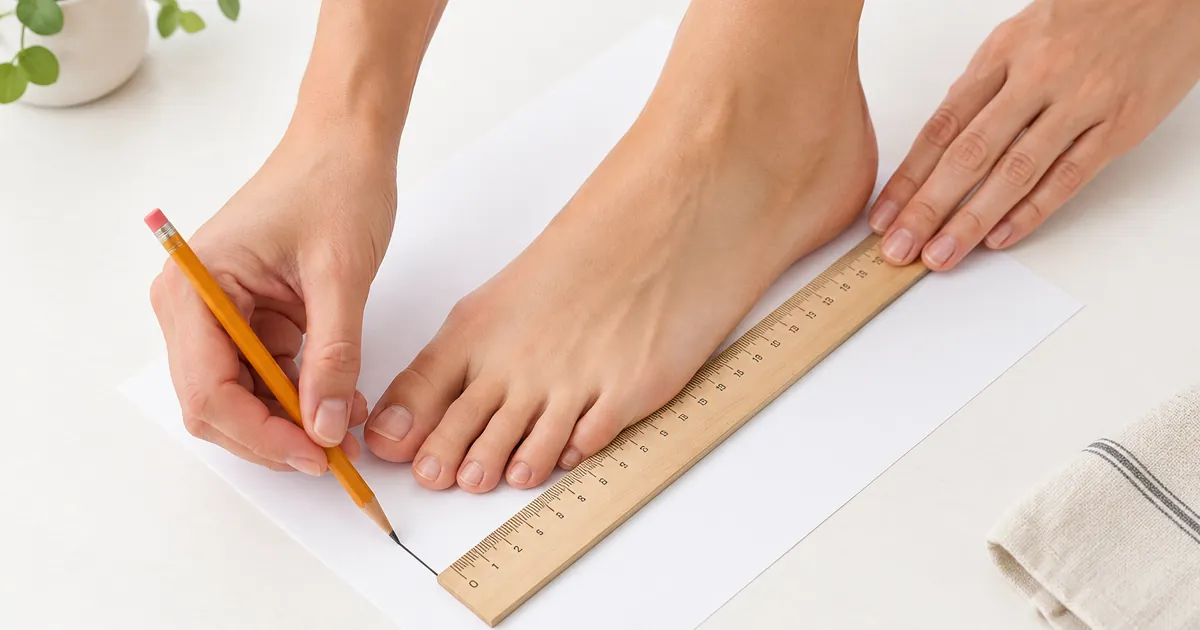
- Tape the paper to a hard floor against the wall.
- Stand on the paper with your heel touching the wall and your full weight on that foot — sitting down gives you a shorter, narrower tracing.
- Have someone trace your foot if possible, holding the pencil upright. If you are alone, trace carefully while standing, keeping the pencil vertical against your foot the whole way around.
Step 3: Measure Length and Width
Length: draw a line at the tip of your longest toe (note: that is not always your big toe) and another at the back of your heel. Measure between the two lines in centimeters.
Width: draw lines at the widest part of the ball of your foot and measure across.
Repeat for both feet. Most people have one foot slightly larger than the other — always size to the larger foot.
Step 4: Convert to Your Size
Our shoes use European sizing. Add roughly 0.5 cm of allowance to your measured length for toe room, then match it to the size chart on each product page. As a rough guide:
- 24.0–24.5 cm foot → EU 39
- 25.0–25.5 cm foot → EU 40–41
- 26.0–26.5 cm foot → EU 41–42
- 27.0–27.5 cm foot → EU 43–44
- 28.0–29.0 cm foot → EU 44–46
Every product page on Shoenest includes a size chart with exact centimeter ranges, so check the chart on the pair you want rather than relying on memory from another brand.
Between Sizes? Go Up.
If your measurement falls between two sizes, take the larger one. Thick socks fix a slightly loose shoe; nothing fixes a tight one. This matters most for leather styles, which run snug when new, and least for mesh athletic shoes, which stretch a little with wear.
Style Changes Your Size
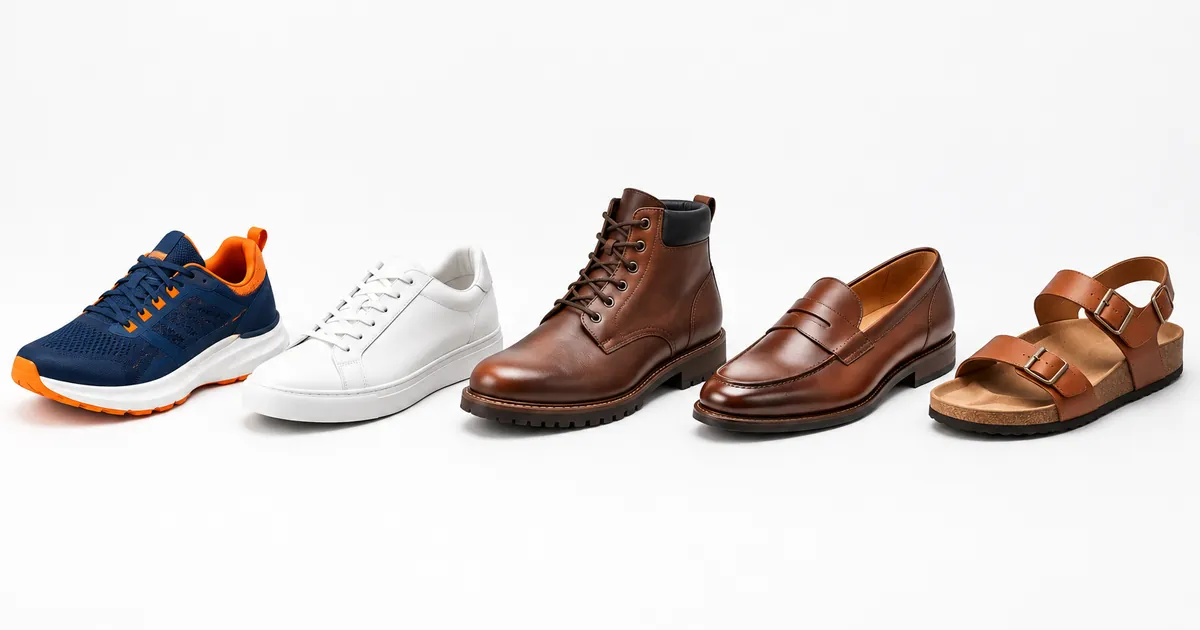
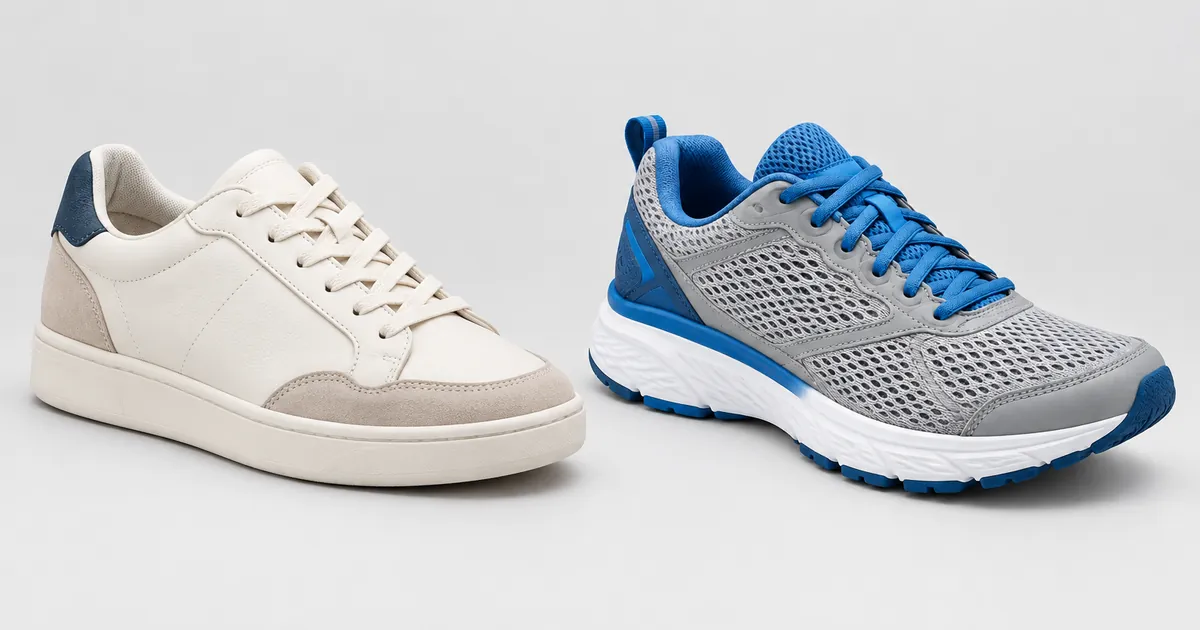
Running and training shoes
Take your measured size, or a half size up if you plan to wear thick athletic socks. Your feet slide forward slightly when running, so a little extra length prevents toe banging. See the running shoes collection.
Casual sneakers
True to measured size for most people. Canvas styles like the Spring & Summer Canvas Shoes relax slightly after a week of wear.
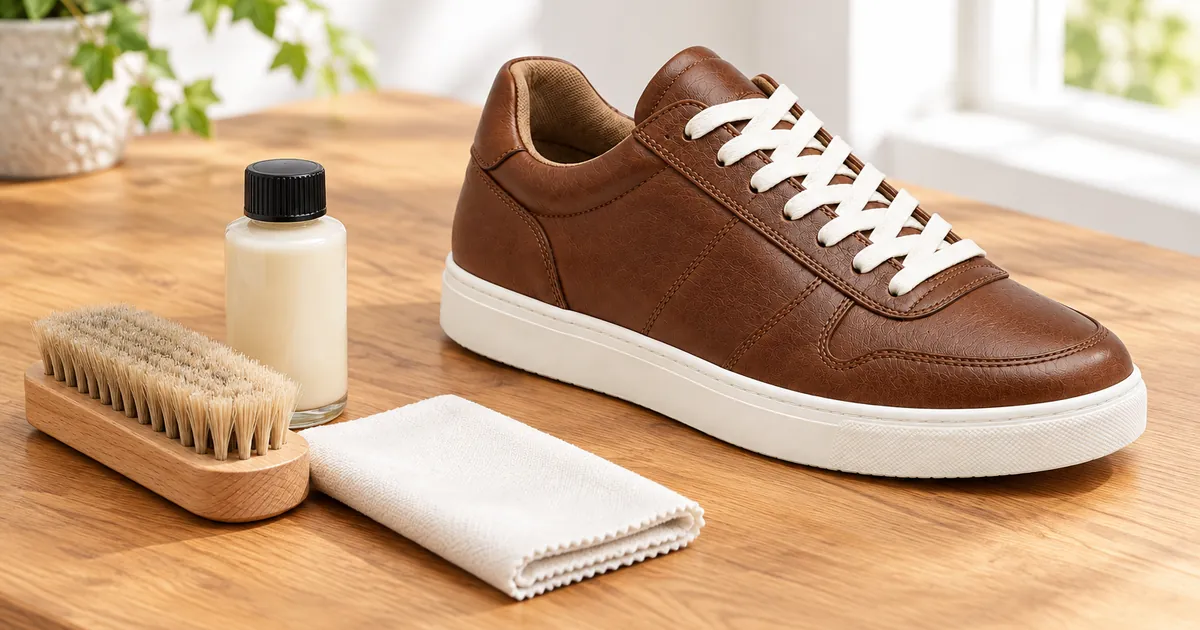
Leather and dress shoes
Leather has almost no give in length, so accurate measurement matters most here. If you are between sizes in our formal shoes, size up and add an insole if needed.
When Your New Pair Arrives
Try them on in the evening, indoors, on a clean floor, with the socks you actually plan to wear. Walk for five minutes. Check three things: a thumb's width of room at the longest toe, no heel lift when walking, and no pressure points on the sides. If any of those fail, that is exactly what our 30-day return policy is for — unworn pairs can be exchanged for the right size.
Re-Measure Once a Year
Foot length changes with age, weight changes, and pregnancy. If your last measurement is more than a year old, or if your current shoes suddenly feel off, run through this guide again. Five minutes a year is all it takes to keep every future order fitting right.
Questions about a specific pair's fit? Message our team — tell us your measured length in centimeters and the style you want, and we will recommend the exact size.
Measuring Kids' and Growing Feet
The same method works for children, with two adjustments. Measure kids' feet every three months during growth spurts — children's feet can grow two sizes in a year, and shoes that fit in spring rarely fit by fall. And always size with a full thumb's width of growing room rather than a half thumb: kids' shoes that are slightly large get worn in within weeks, while tight shoes affect how they walk.
If you are buying our unisex styles for a younger family member, the Unisex Badminton Training Shoes and similar unisex models run on the same EU size chart, so one measurement covers the whole household's online orders.